
Introduction
Industrial facilities and warehouses play a vital role in manufacturing, logistics, storage, and supply chain operations. Developing these facilities requires careful planning, engineering coordination, cost management, and efficient construction execution.
A structured approach helps project stakeholders manage technical requirements, control costs, monitor progress, and achieve the intended project objectives.
1. Define Project Requirements and Scope
The first step in industrial and warehouse construction is understanding the project’s purpose, operational requirements, site conditions, and development objectives.
Key considerations include land utilisation, storage capacity, vehicle movement, loading and unloading areas, circulation planning, and future expansion requirements. Clearly defining the project scope helps establish realistic budgets and timelines.
2. Focus on Engineering and Design Coordination
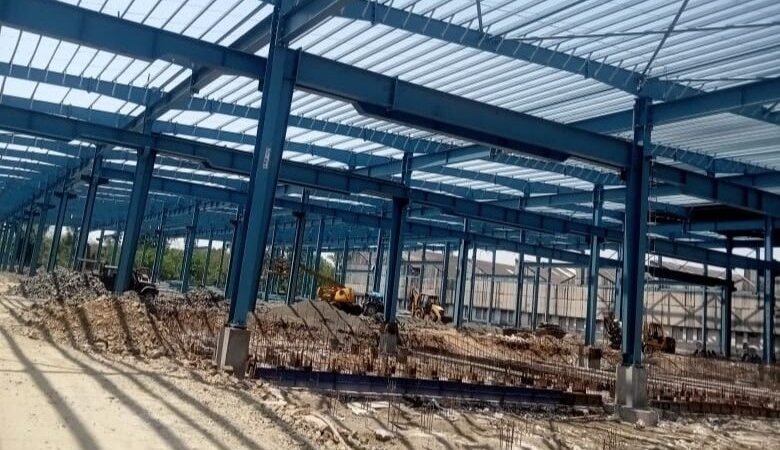
Industrial buildings may involve reinforced cement concrete (RCC), structural steel, or pre-engineered building (PEB) systems, depending on project requirements.
Effective coordination between architectural, civil, structural, and other engineering disciplines helps identify design conflicts, improve constructability, and minimise avoidable changes during construction.
3. Prepare Accurate BOQs and Cost Estimates
A detailed Bill of Quantities (BOQ) and cost estimate provide a foundation for budgeting and tendering.
Quantity take-offs, rate analysis, material estimates, and scope verification help establish a clearer understanding of project costs. Regular cost monitoring and variation tracking further support commercial control throughout execution.
4. Strengthen Tendering and Contractor Evaluation
A well-organised tendering process helps project owners compare contractor proposals based on scope, technical compliance, pricing, resources, and execution capabilities.
Tender documentation, bid comparison statements, commercial evaluation, and contract administration support transparent decision-making.
5. Monitor Construction Progress and Quality
Construction schedules, look-ahead programmes, site coordination, inspection support, and progress reports help project teams monitor activities against planned milestones.
Regular reporting also helps identify delays, resource constraints, quality concerns, and other issues requiring timely action.
6. Maintain Strong Project Controls
Project controls connect planning, cost, schedule, risk, and performance monitoring. MIS reports and project dashboards provide stakeholders with structured information to support informed decisions and improve coordination.
Conclusion
Successful industrial and warehouse construction depends on the integration of engineering, commercial management, planning, and site execution. A systematic project delivery approach helps stakeholders manage complexity while maintaining focus on cost, quality, safety, and timelines.
AZ BuildPulse Consultants provides Project Management Consultancy (PMC), civil and structural engineering, quantity surveying, BOQ preparation, cost management, tendering, contract administration, and construction support services.
Contact us at azbuildpulseconsultants@gmail.com or +91-8810412237 to discuss your industrial or warehouse project requirements.